 17 photosPhoto 465 ·
2019 / Fluids & cooling
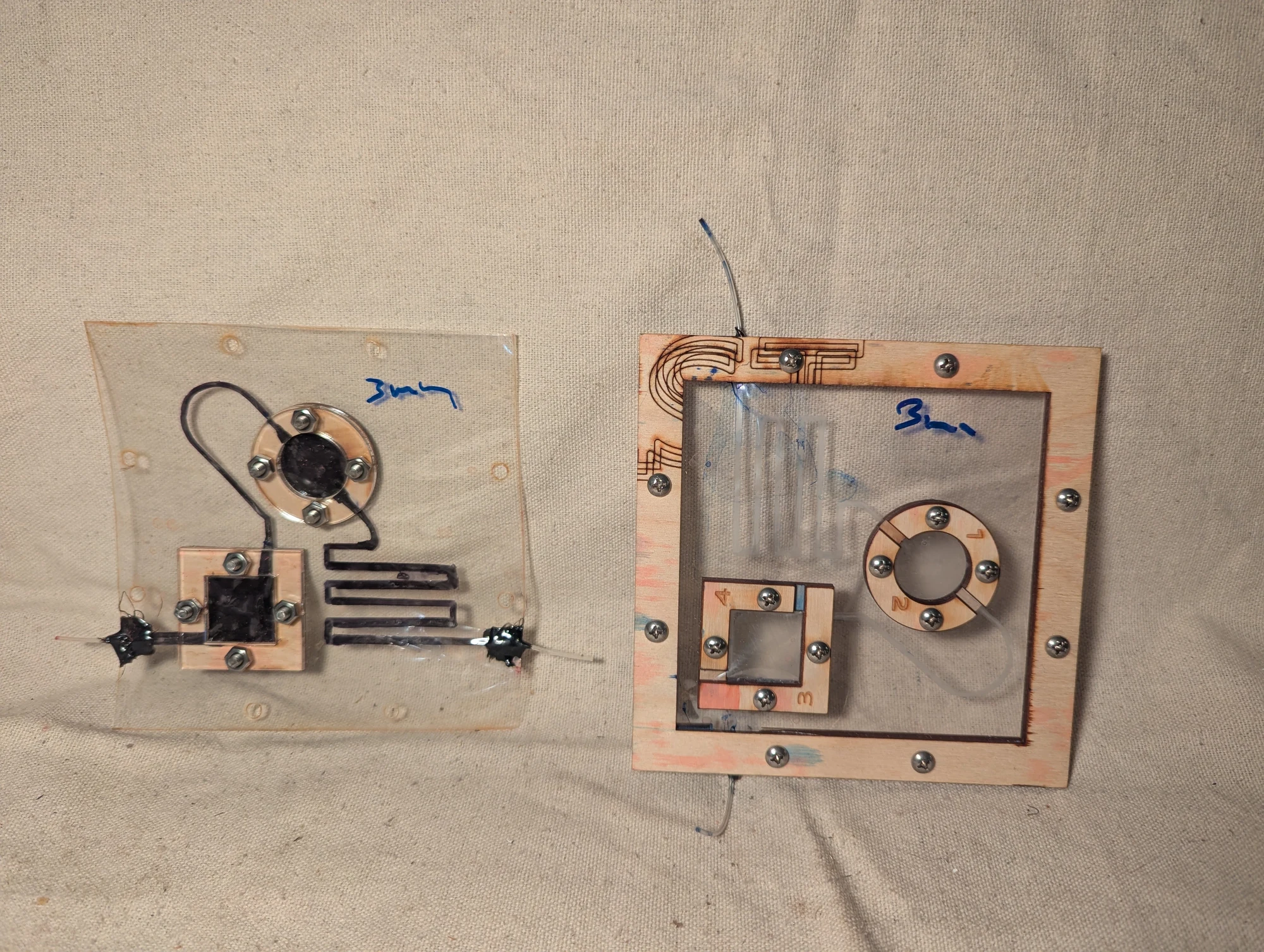
Laminated fluid channels and actuators
Thin plastic sheets patterned into fluid paths, flexible actuators, and reinforced chambers.
Photos 258–259, 415, 458–471
Explore projectSTEVEN BELL / PROJECTS
More experiments and prototypes, with related photographs grouped together. Each project appears in one collection.
17 photosPhoto 465 · Thin plastic sheets patterned into fluid paths, flexible actuators, and reinforced chambers.
Photos 258–259, 415, 458–471
Explore project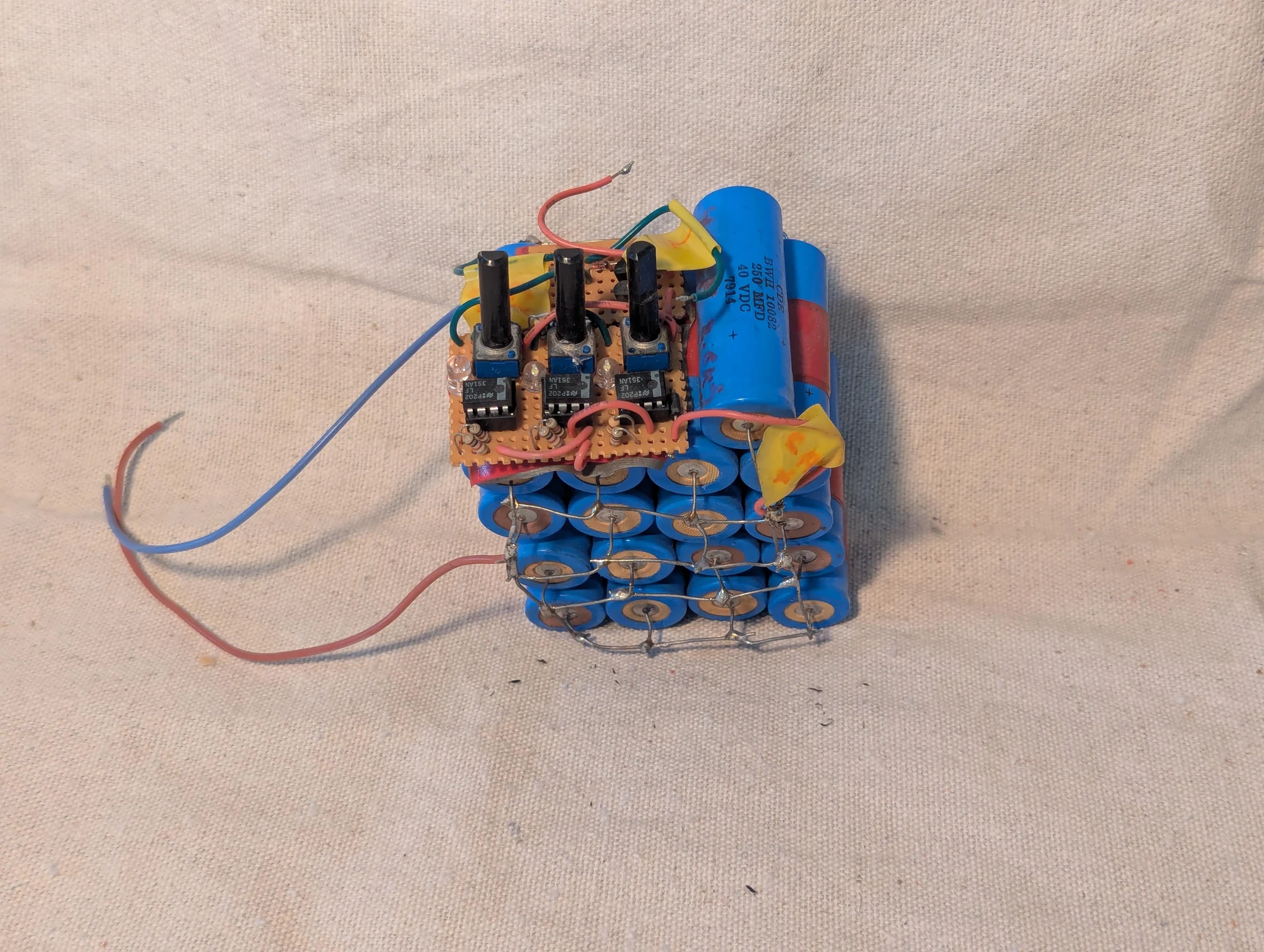 5 photosPhoto 302 ·
A collection of early capacitor, voltage-multiplier, and repurposed camera-flash projects.
Photos 301–303, 306, 308
Explore project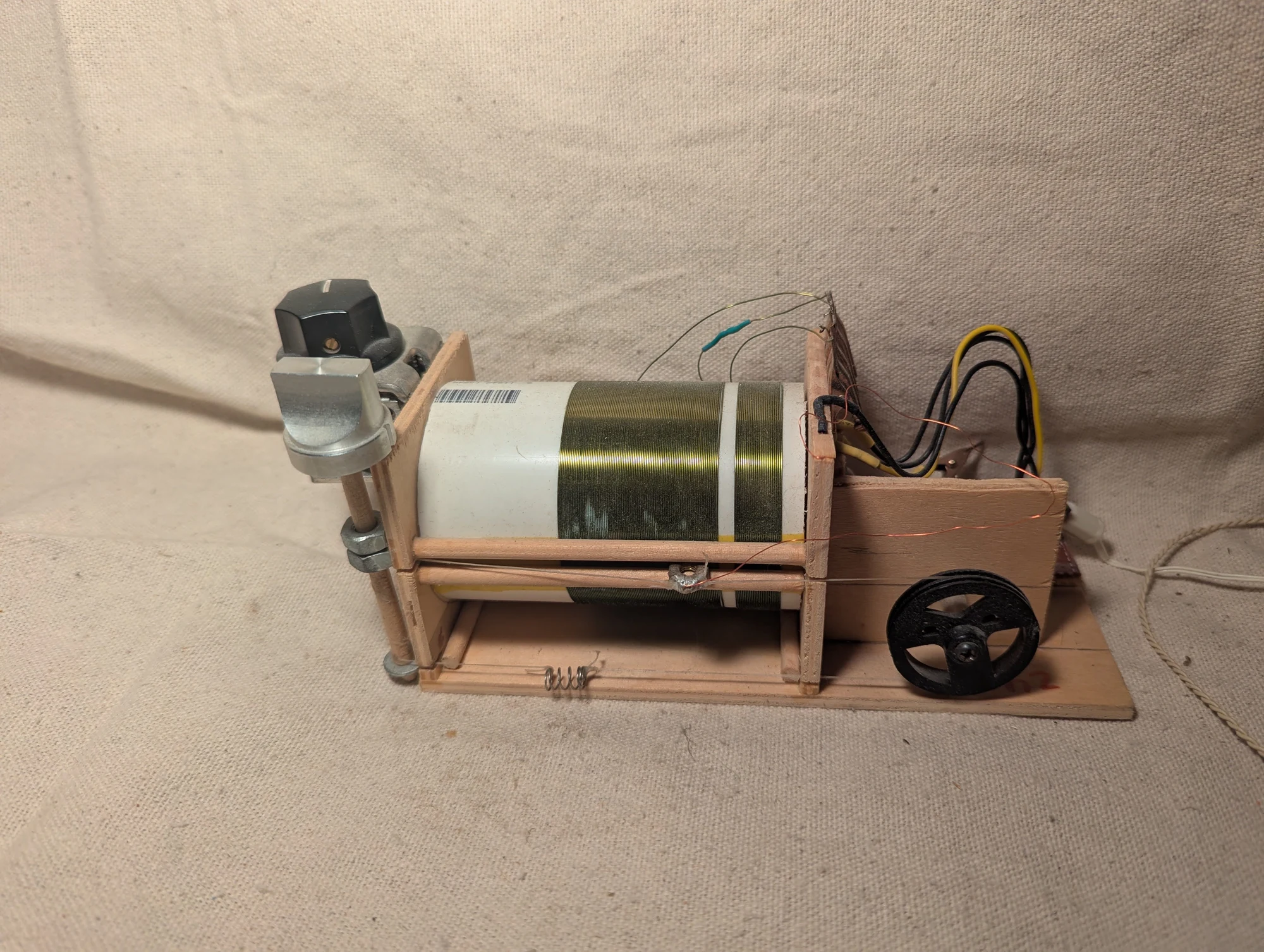 3 photosPhoto 438 ·
A radio made with basic tools during an internship stay by the Connecticut coast.
Photos 438–440
Explore project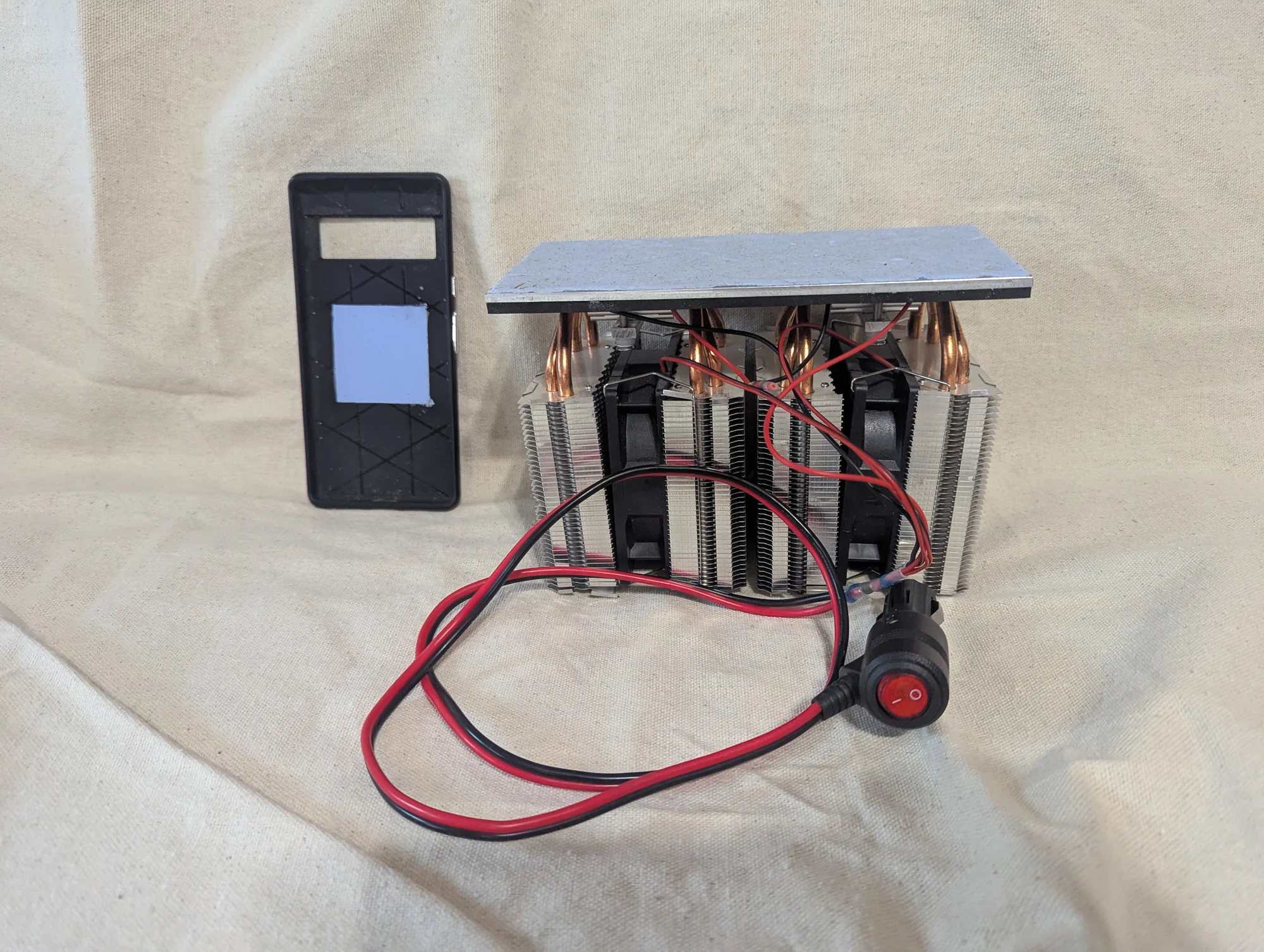 4 photosPhoto 256 ·
Phone-cooling prototypes exploring direct thermal contact and temporary heat storage in melting wax.
Photos 256–257, 487–488
Explore project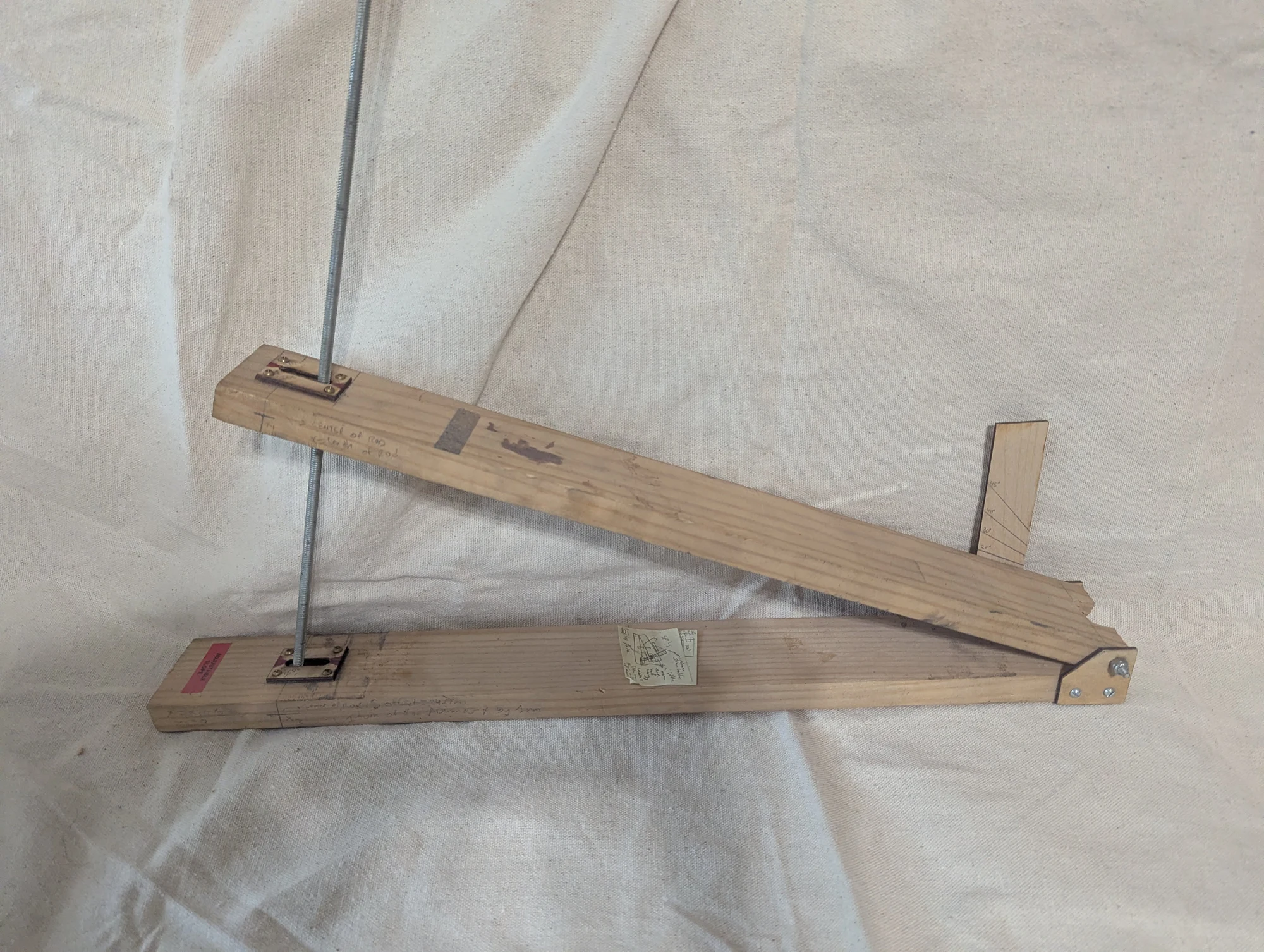 2 photosPhoto 260 ·
A tilting test platform for comparing how readily droplets move across different surfaces.
Photos 260–261
Explore project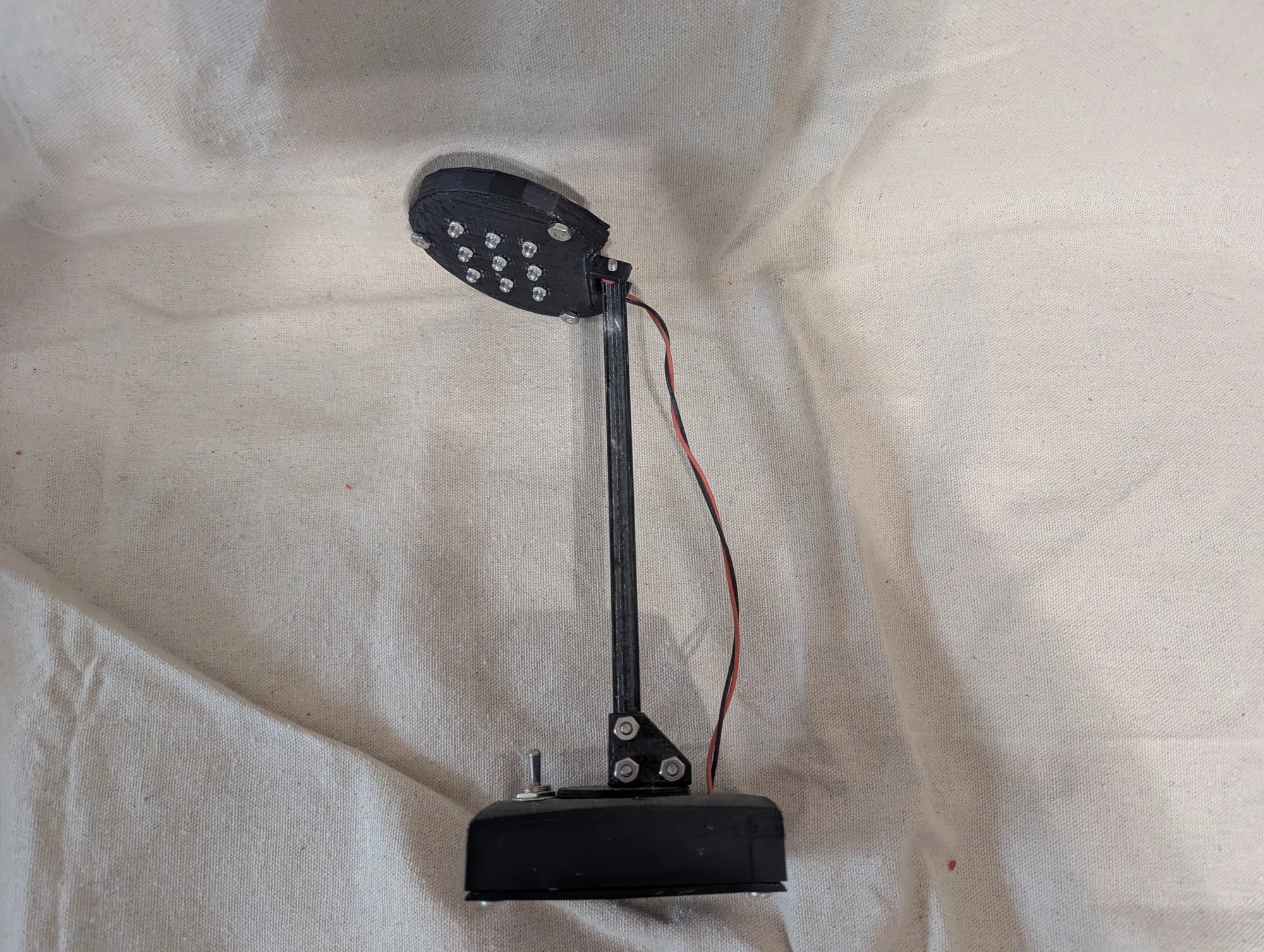 5 photosPhoto 262 ·
An LED lamp designed as an entry in a Lockheed Martin 3D-printing competition.
Photos 262–266
Explore project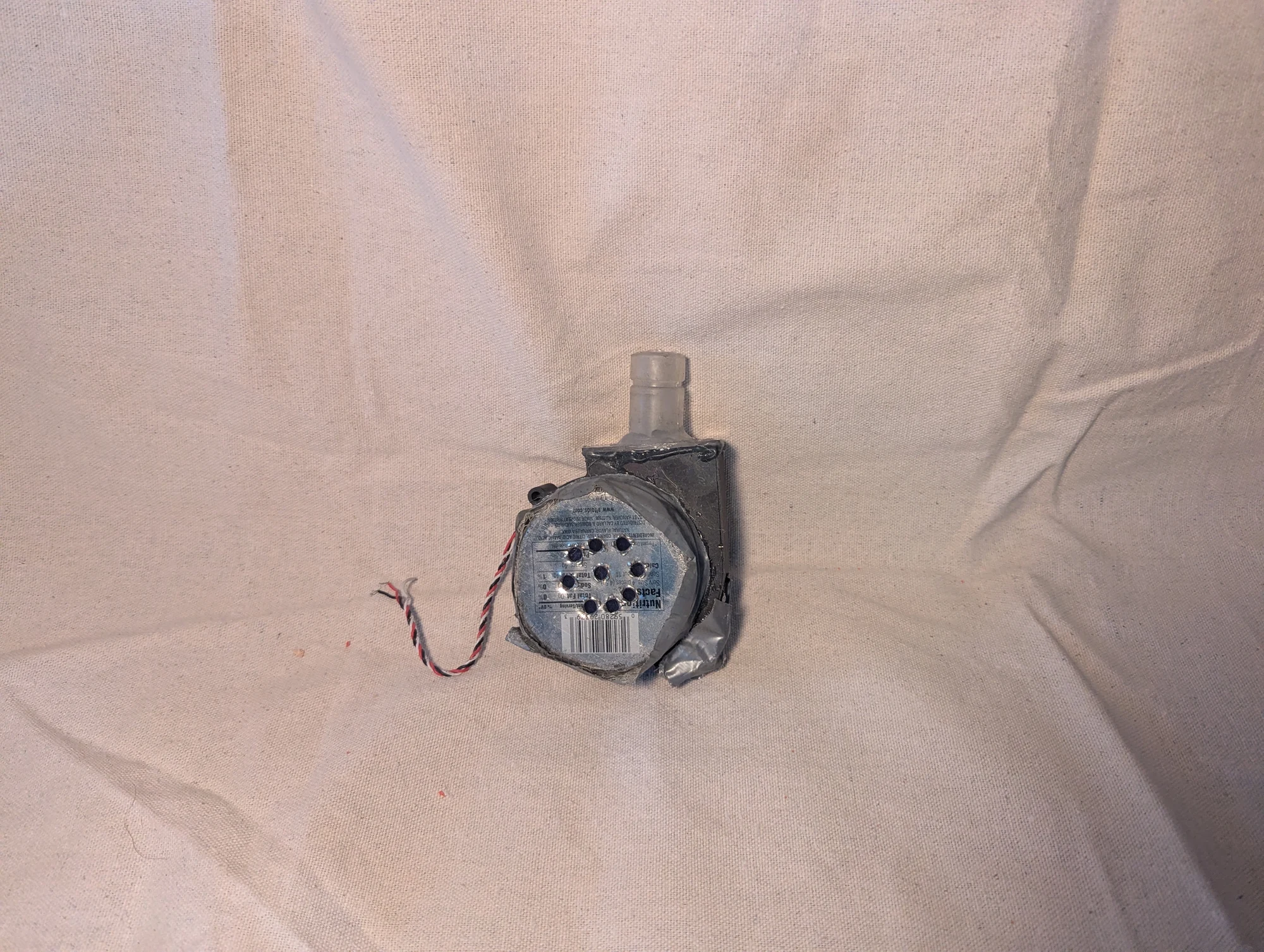 2 photosPhoto 275 ·
A fan-driven filter built around a perforated metal tin, probably during middle or high school. The exact project year is uncertain.
Photos 275–276
Explore project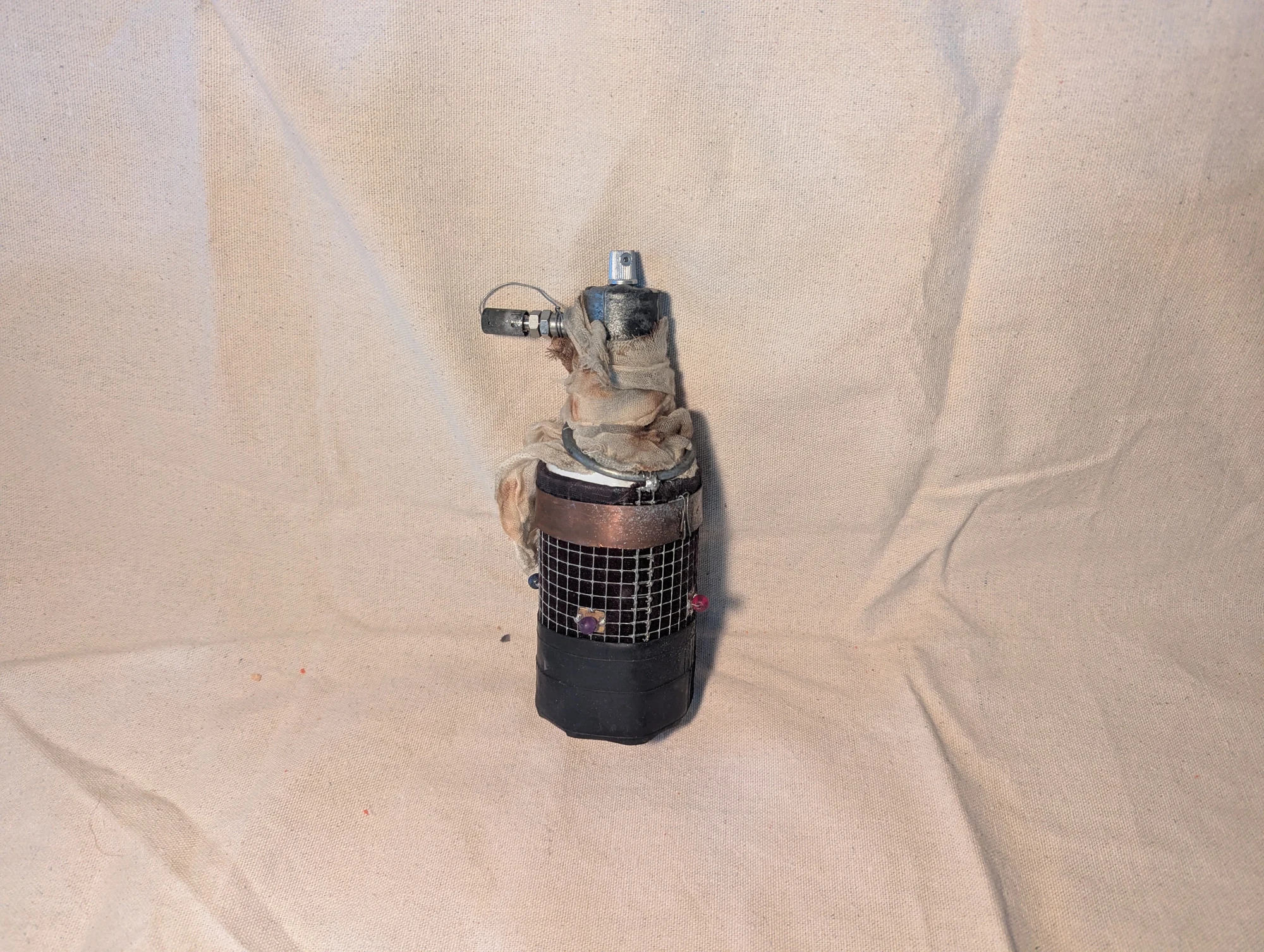 4 photosPhoto 277 ·
A chrome-spray applicator prop inspired by Mad Max: Fury Road.
Photos 277–280
Explore project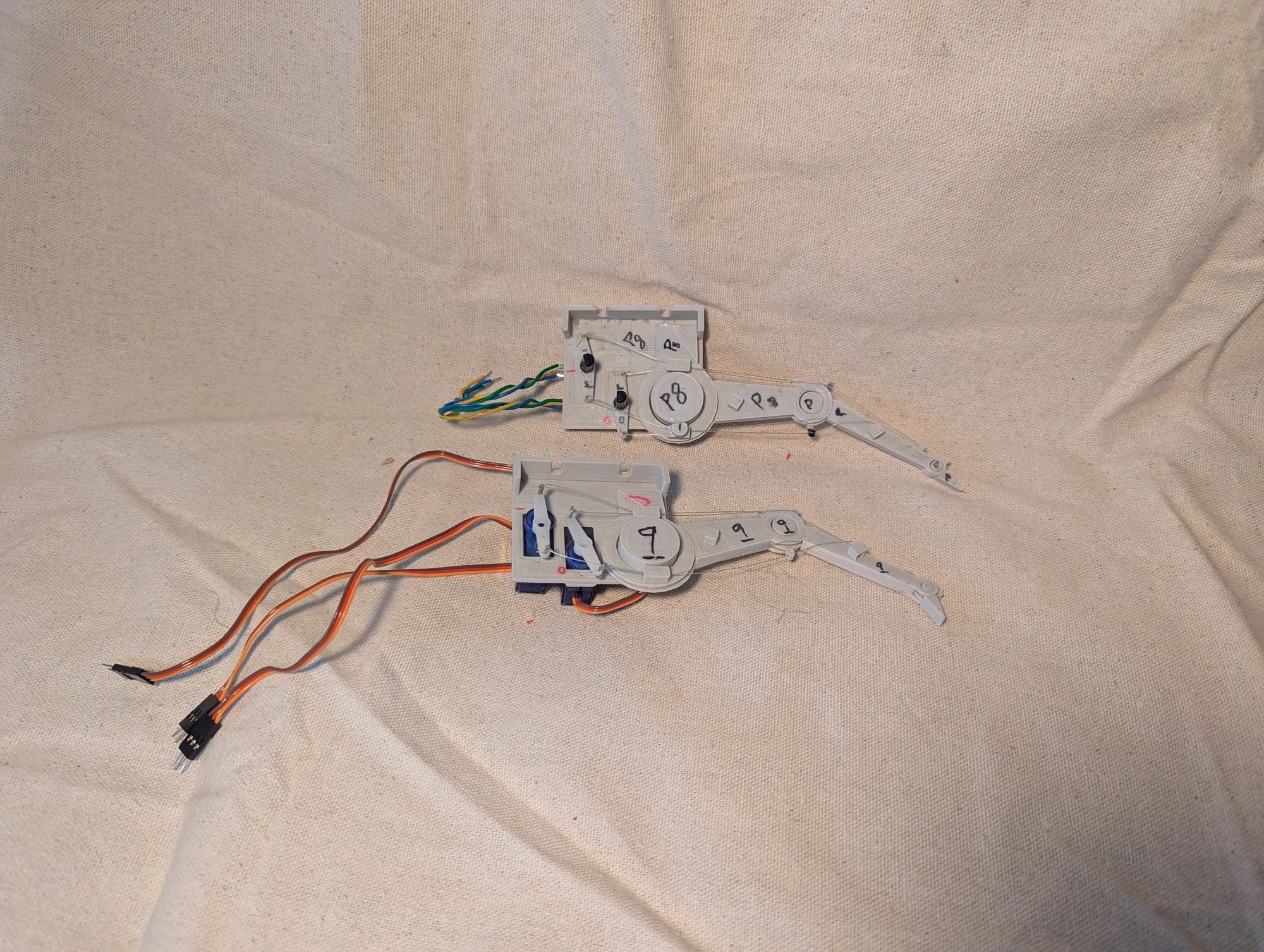 4 photosPhoto 281 ·
A puppet-like teaching leg and a servo-powered leg used to explore crawling movements.
Photos 281, 283, 441–442
Explore project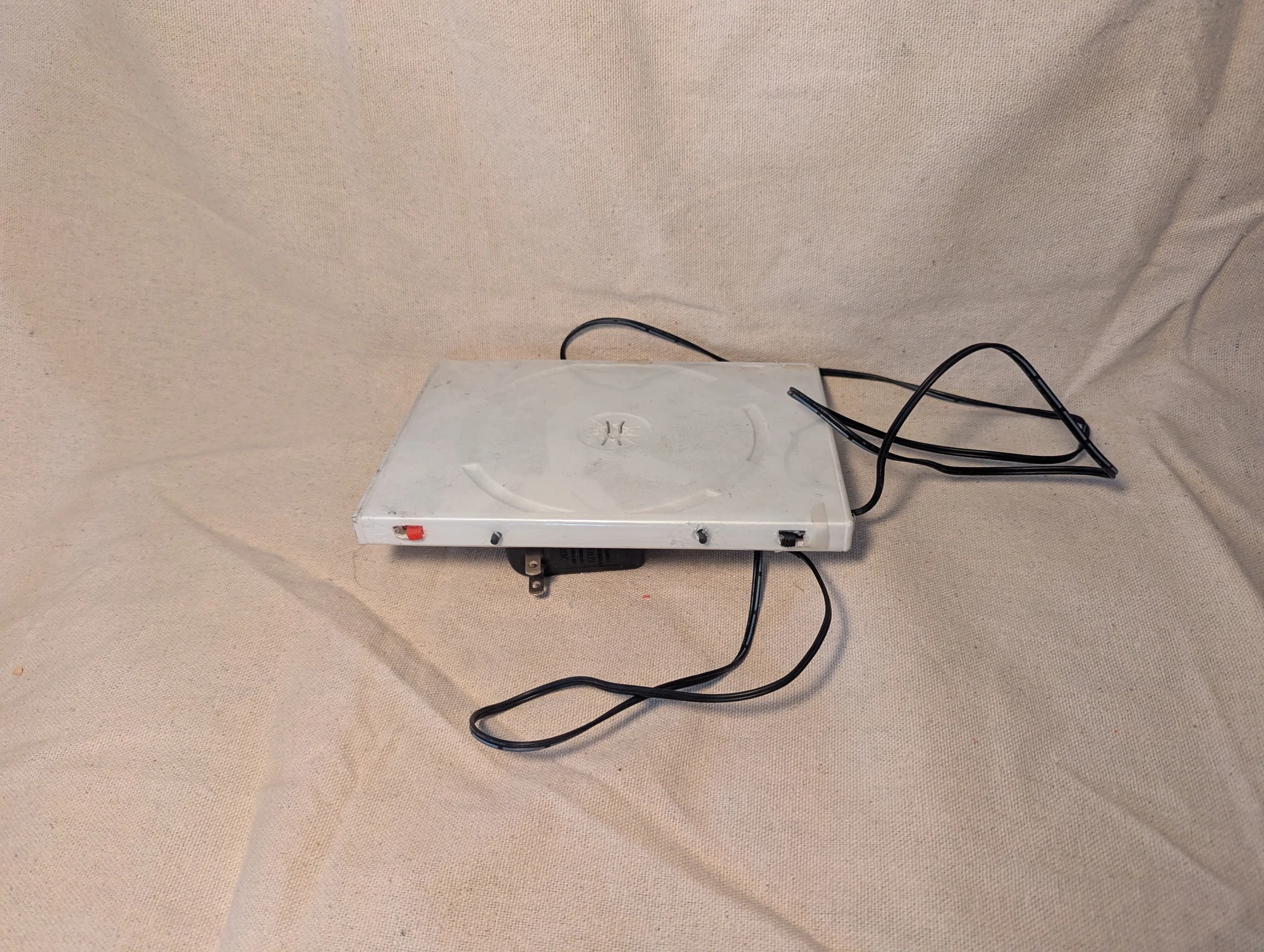 2 photosPhoto 284 ·
Hardware for a collaborative school project that tracked an infrared light and drew its path through a projector.
Photos 284–285
Explore project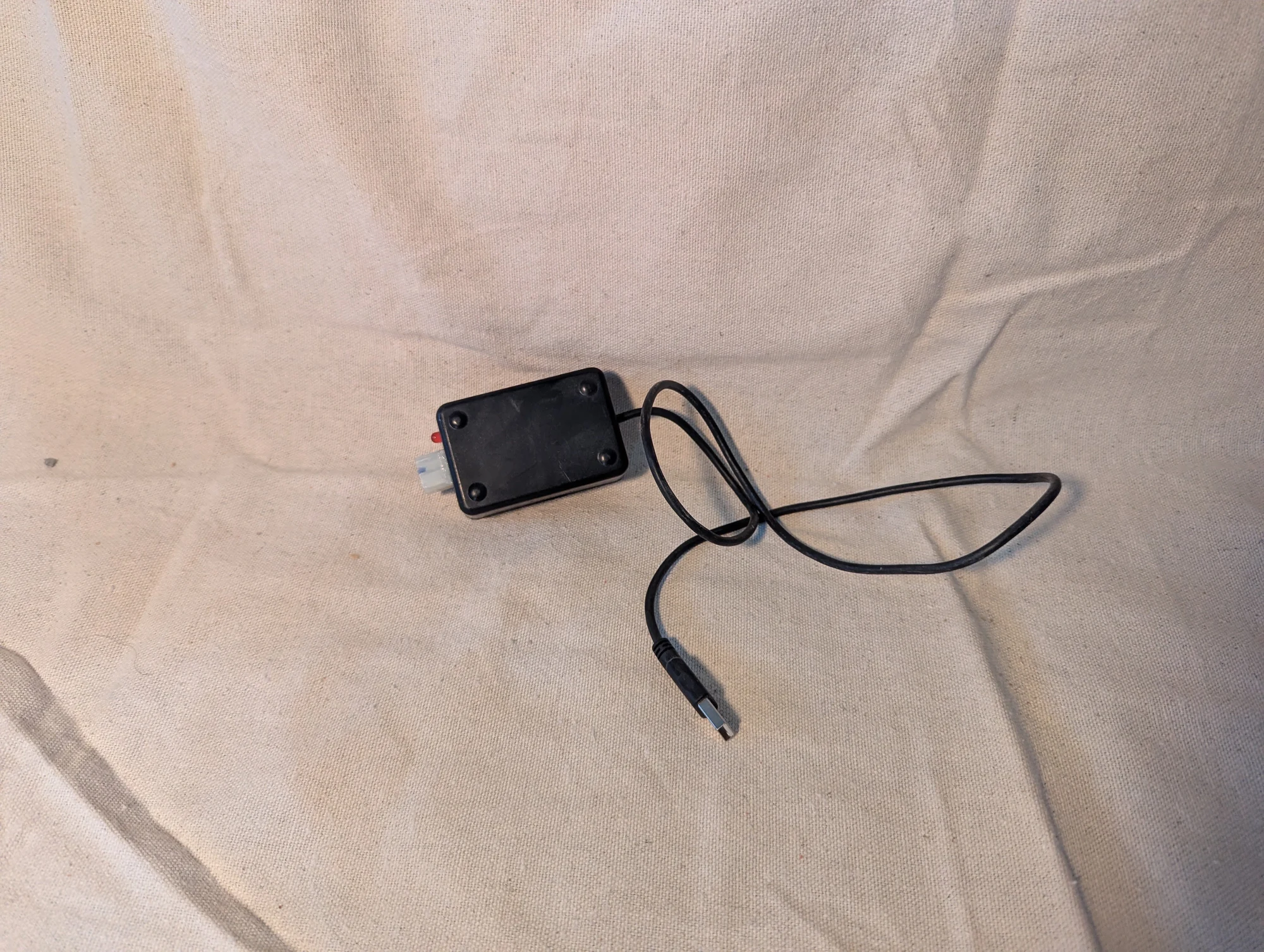 3 photosPhoto 294 ·
An early charger assembly and its internal electronics.
Photos 294–296
Explore project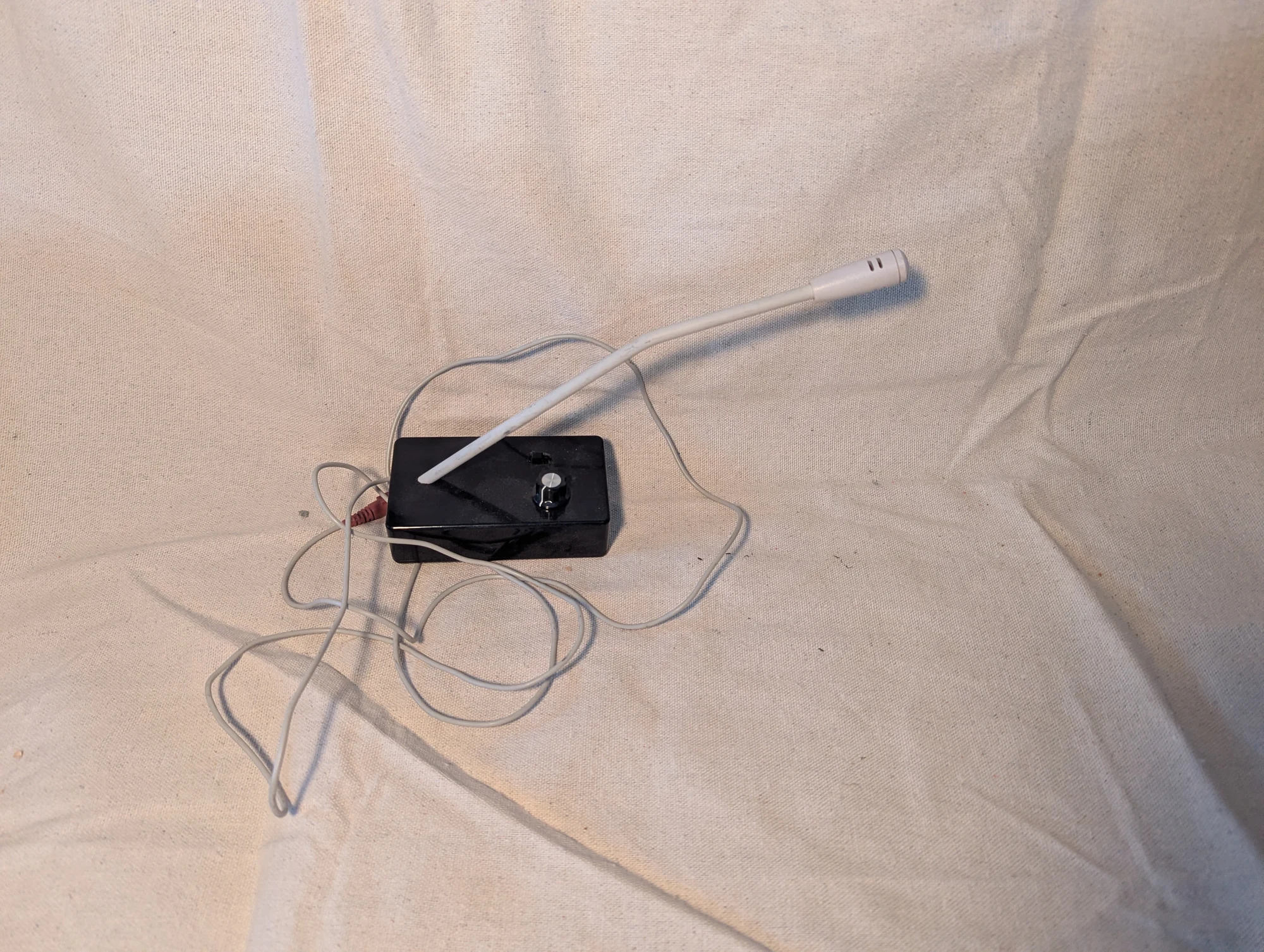 1 photoPhoto 297 ·
An unfinished microphone prototype with adjustable gain.
Photo 297
Explore project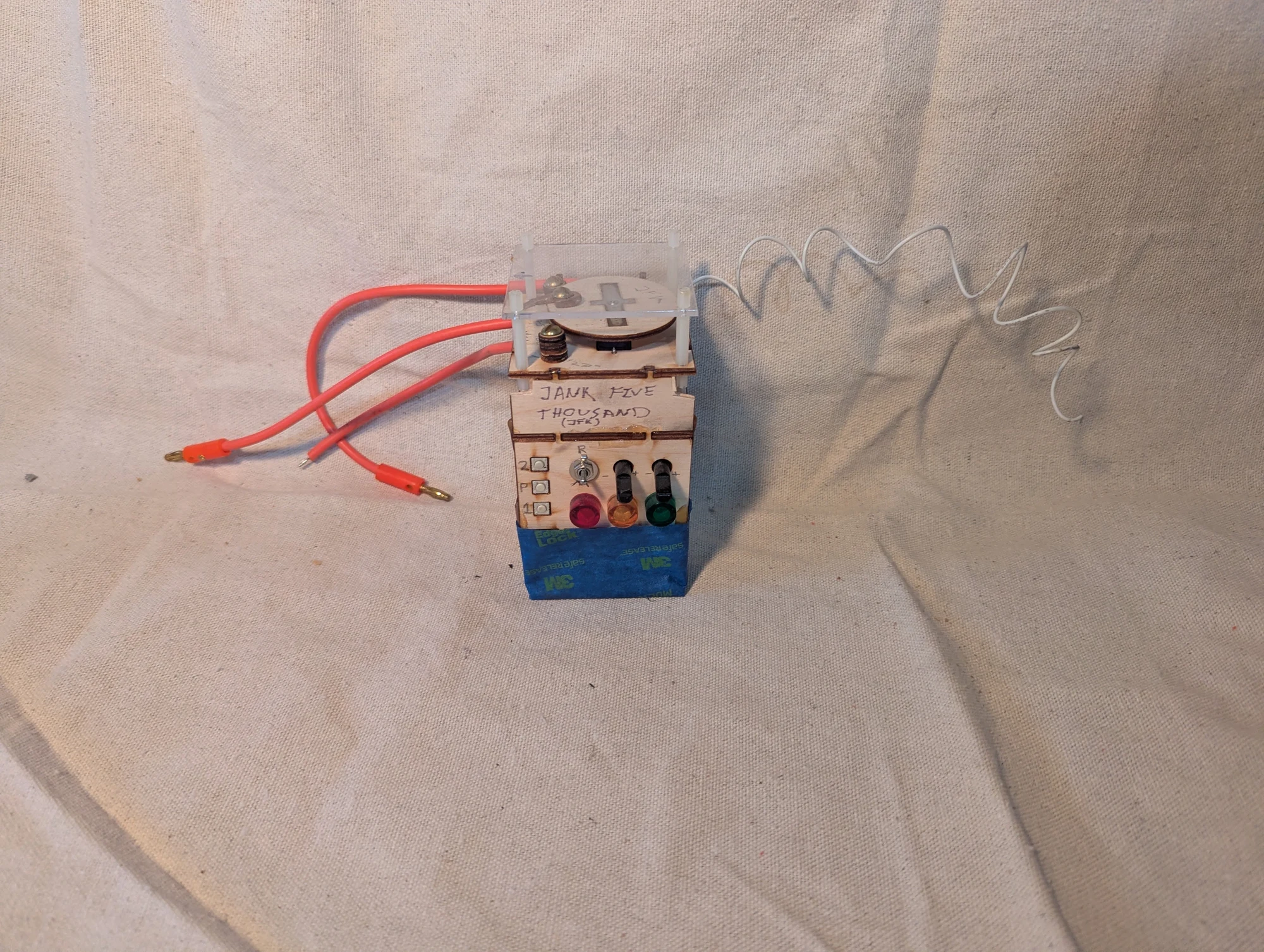 3 photosPhoto 298 ·
An early remote-control enclosure built to operate experiments from a distance.
Photos 298–300
Explore project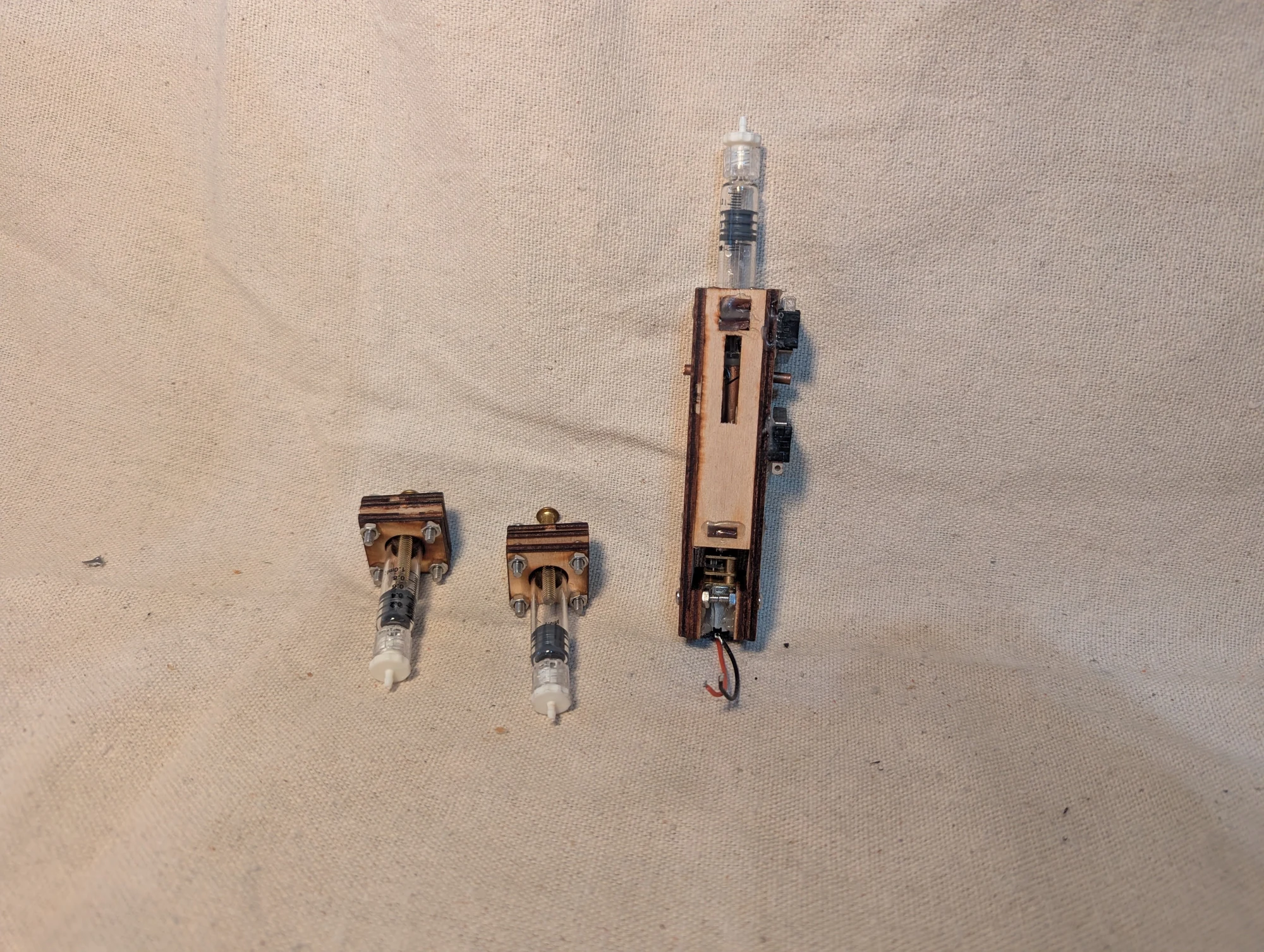 3 photosPhoto 314 ·
Manual stops and a motor-driven plunger explored for controlling syringe volume.
Photos 314–315, 317
Explore project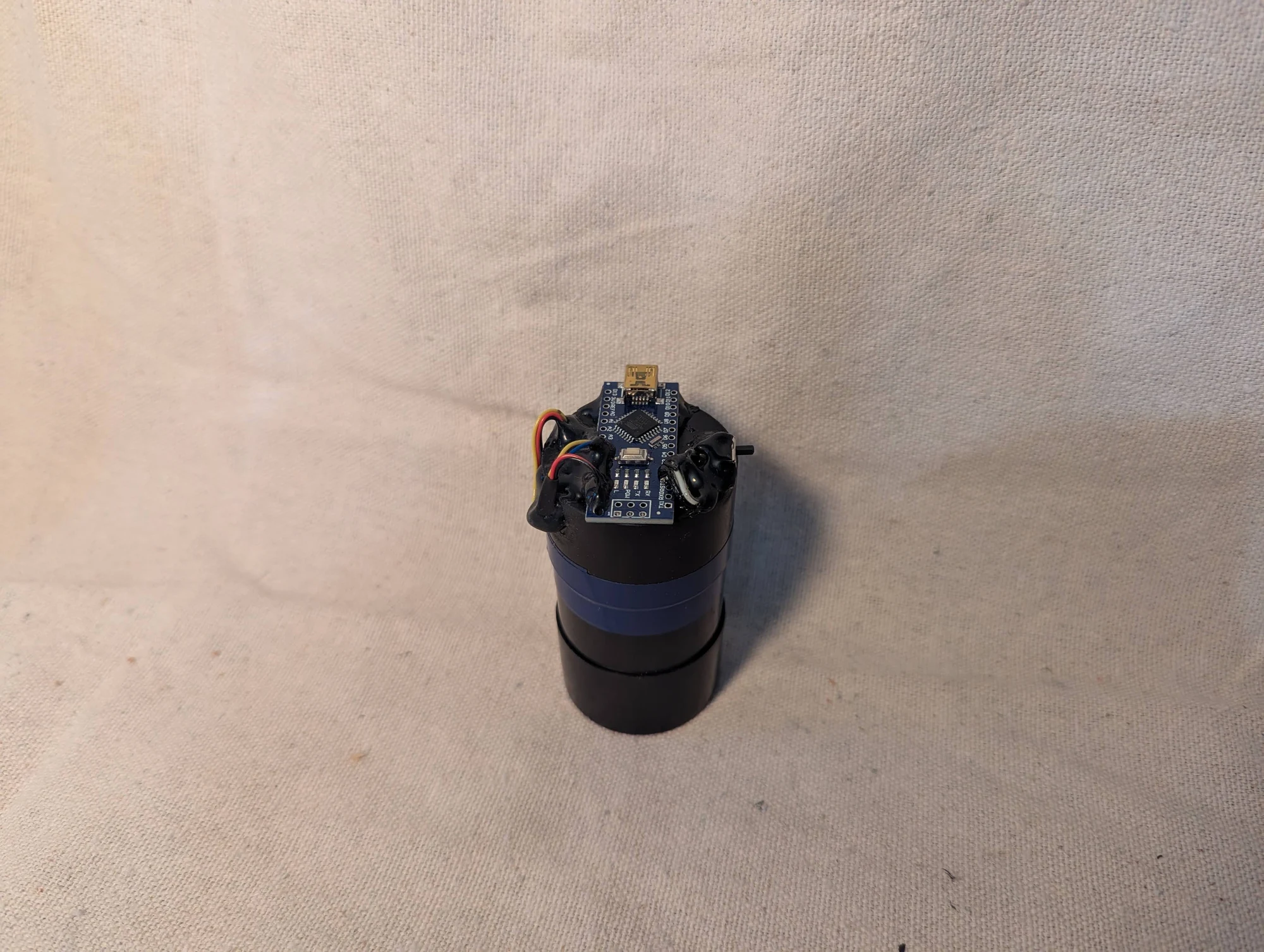 2 photosPhoto 319 ·
An Arduino-based experiment in measuring the colors reflected by an object.
Photos 319–320
Explore project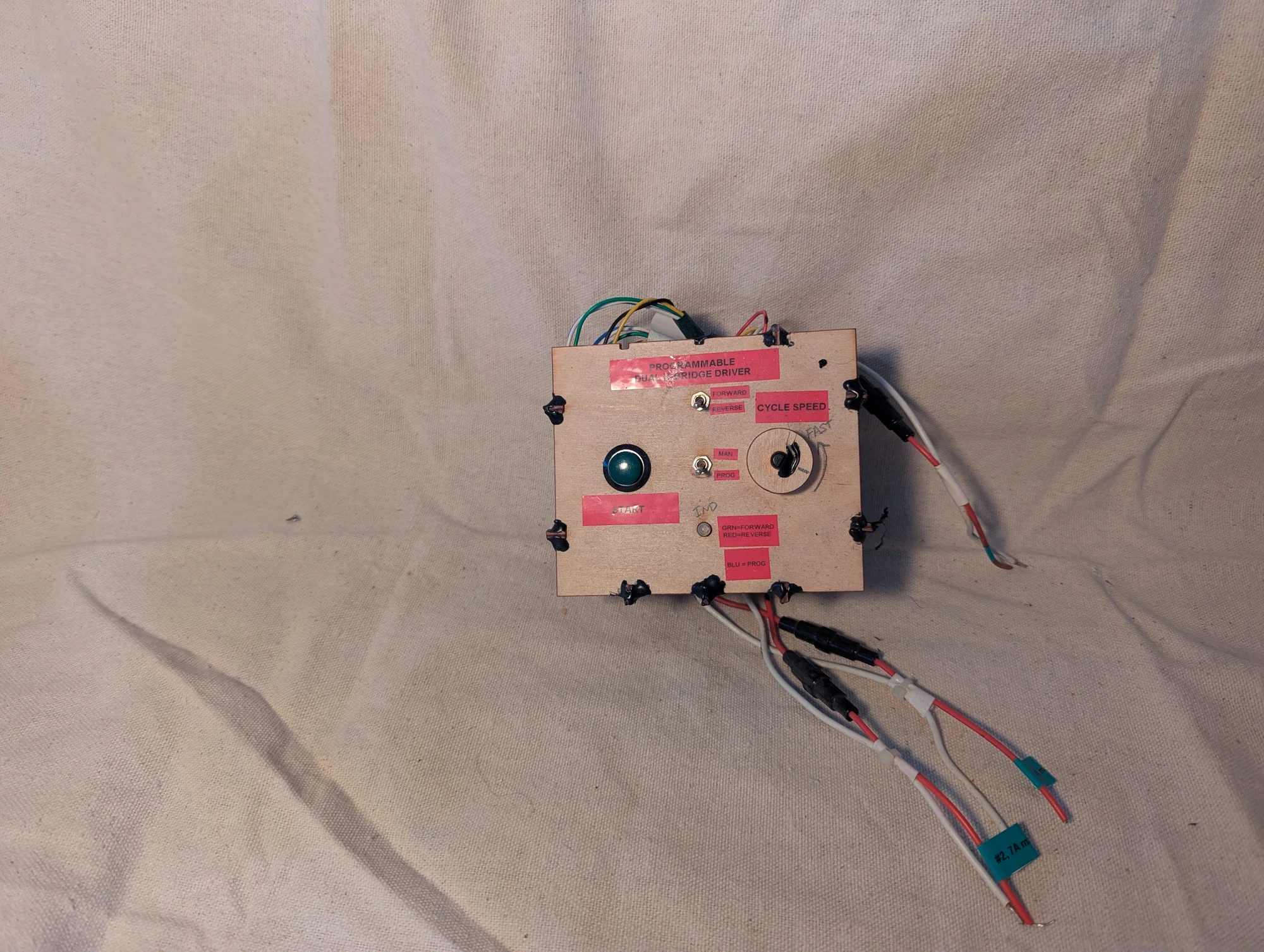 7 photosPhoto 321 ·
Different mechanisms explored for moving magnetic liquid through small tubes.
Photos 321–323, 325–327, 482
Explore project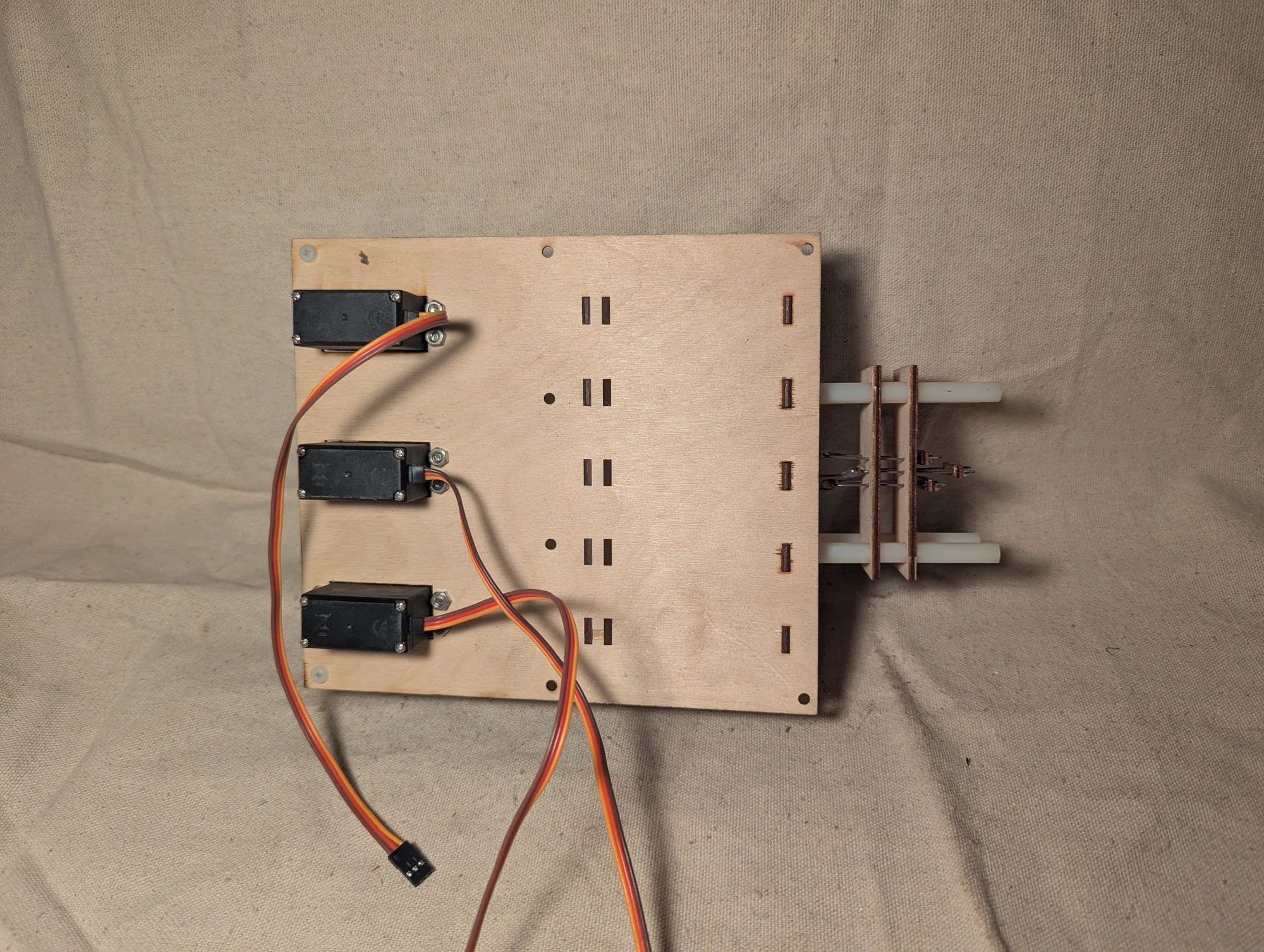 7 photosPhoto 472 ·
Small pressure-release samples and a prototype machine for automating a tubing-fabrication step.
Photos 324, 472–476, 489
Explore project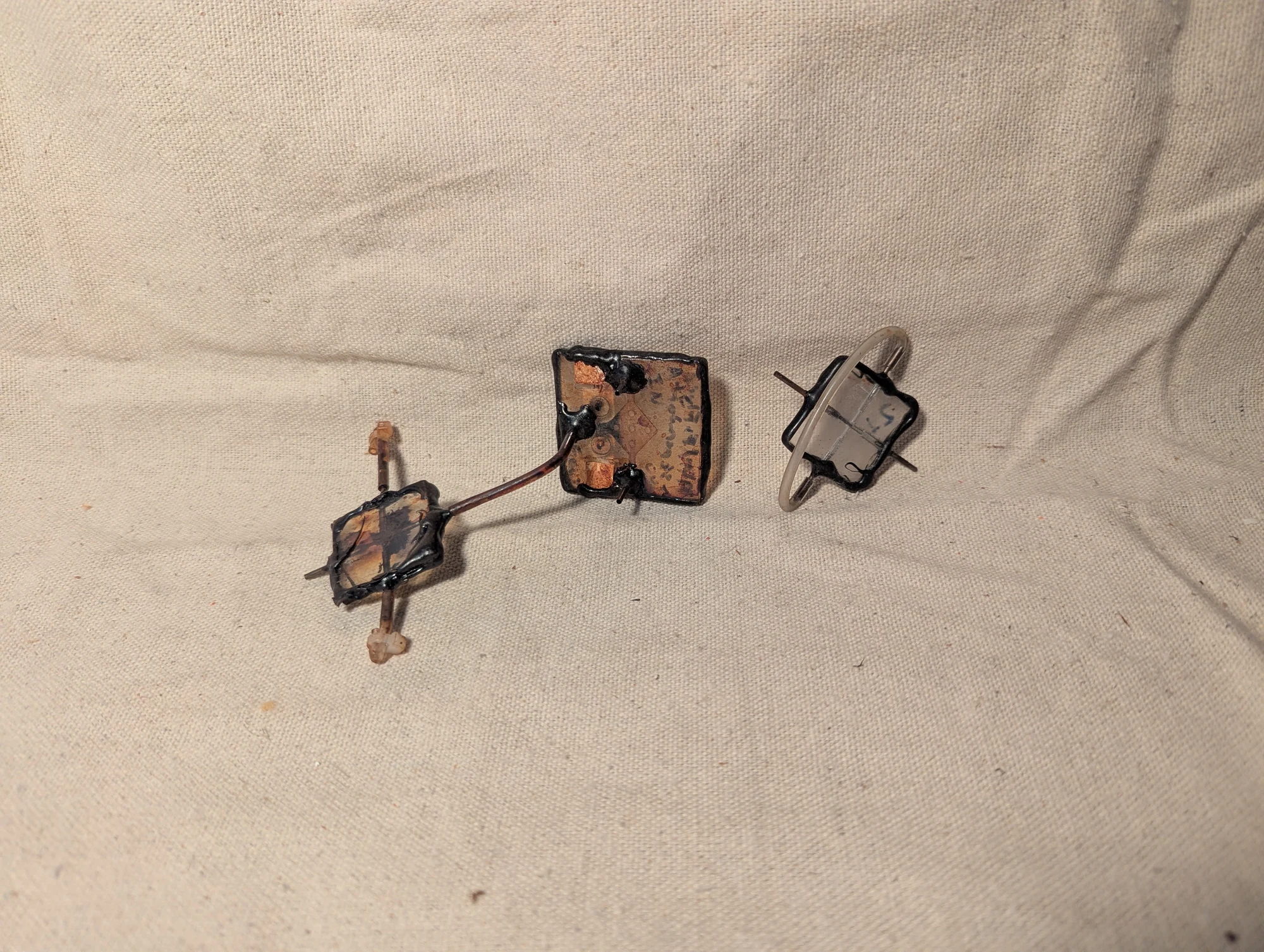 3 photosPhoto 348 ·
Pressure-measurement tubes and an experimental fluid junction.
Photos 348, 352–353
Explore project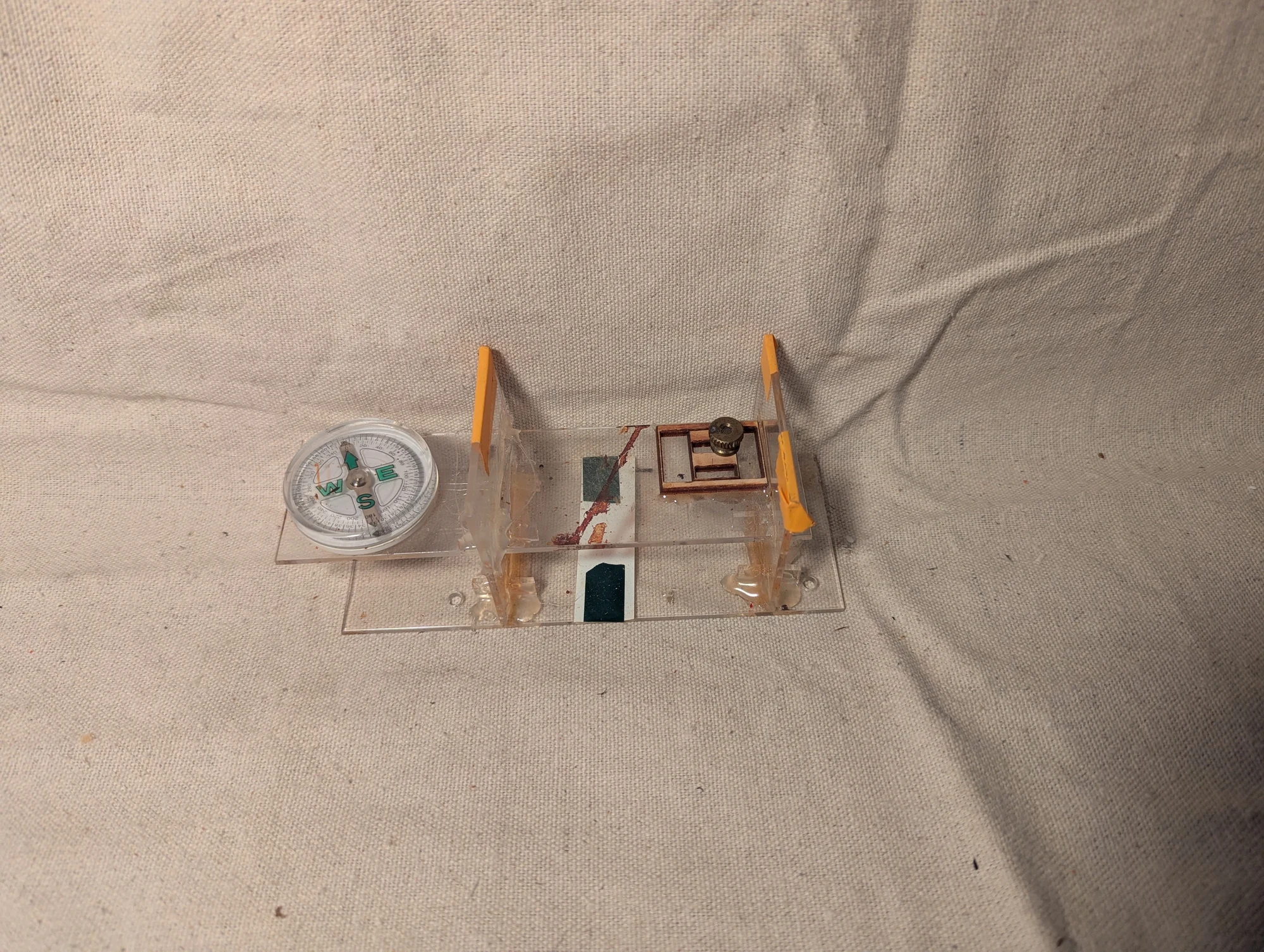 3 photosPhoto 354 ·
An adjustable magnet and compass used as a simple analog field indicator.
Photos 354–356
Explore project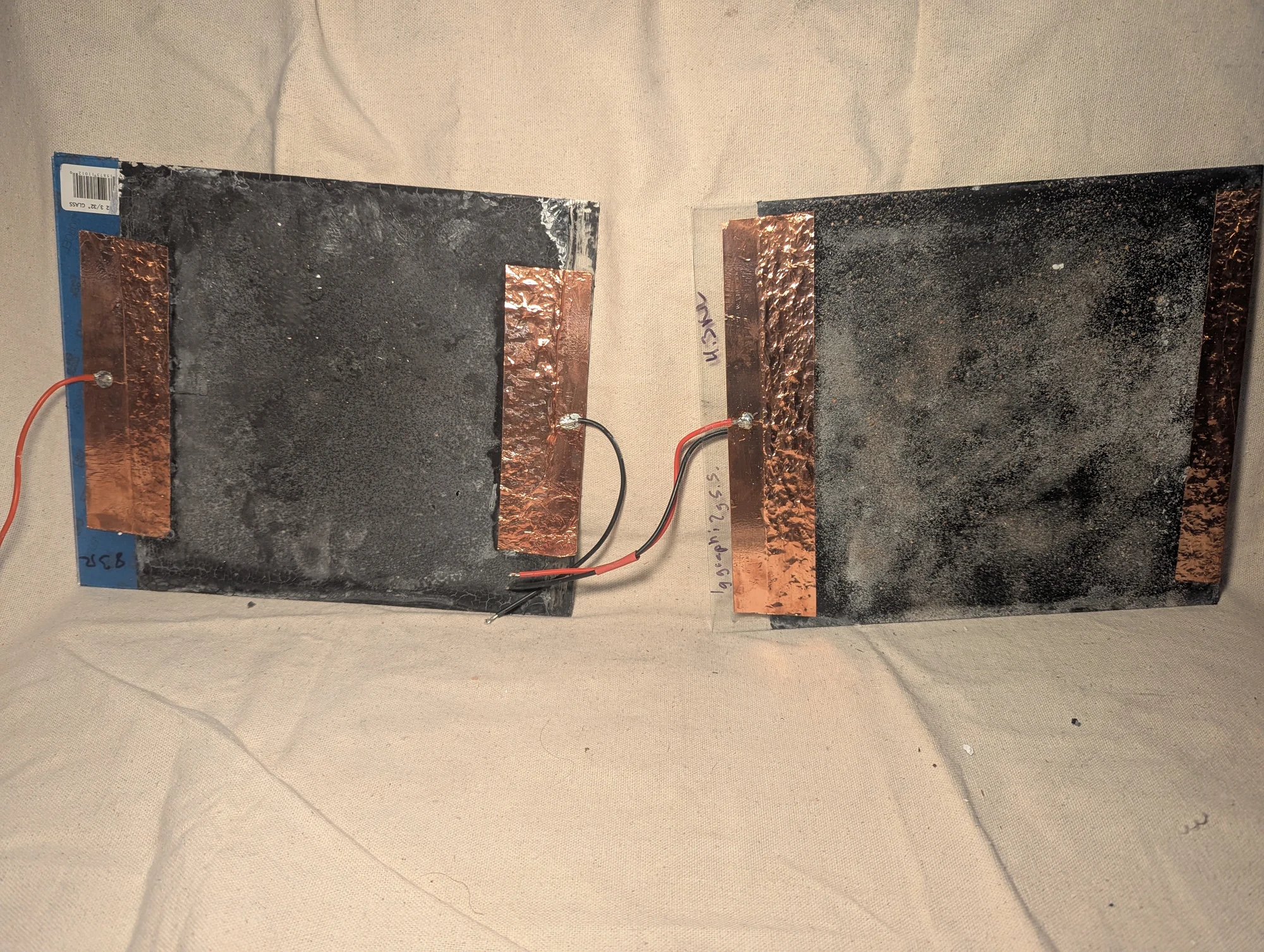 6 photosPhoto 365 ·
Trials of conductive coatings and fragile carbon materials as thin electrical heaters.
Photos 365–368, 436–437
Explore project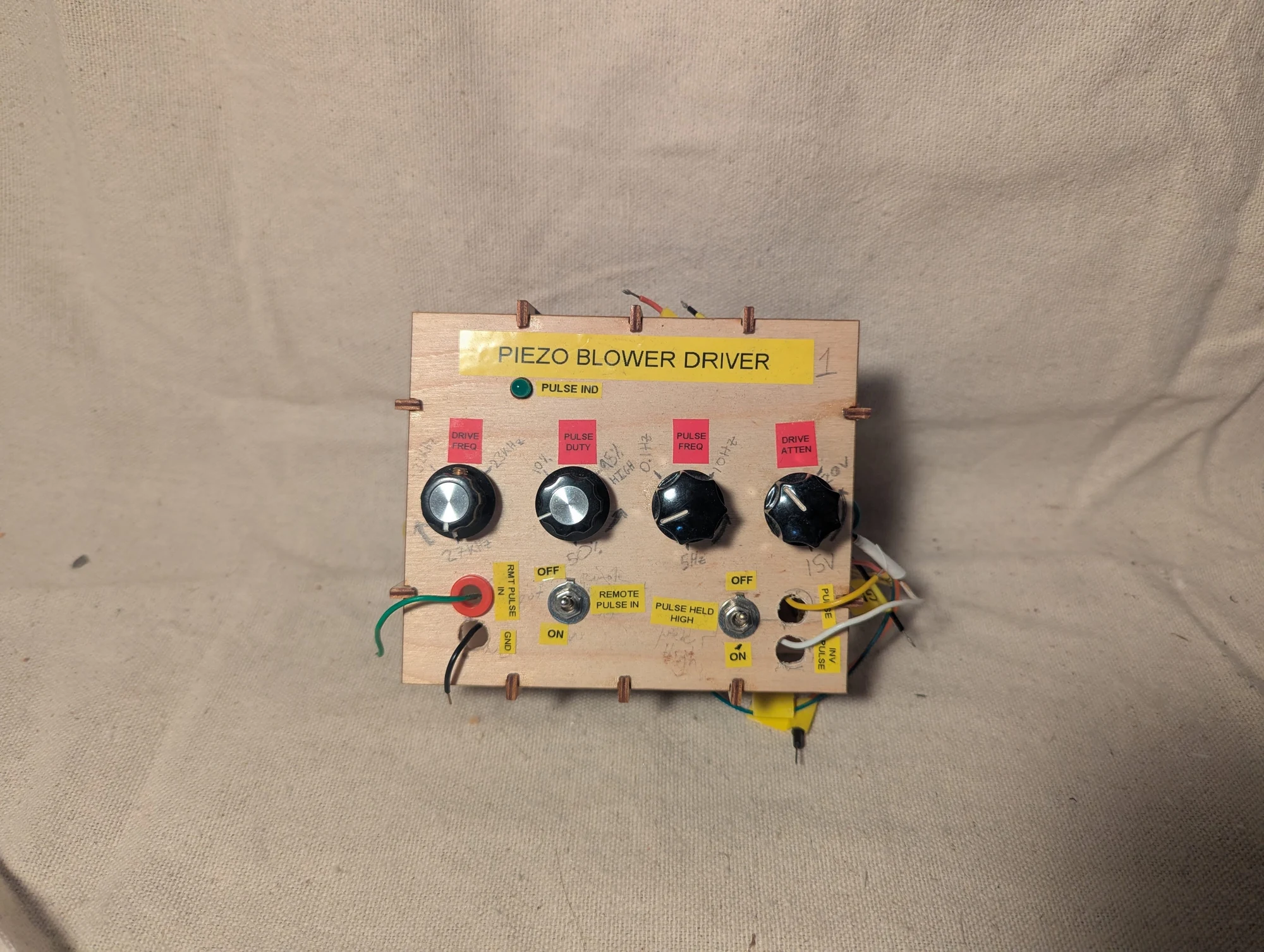 5 photosPhoto 372 ·
Custom driver electronics for small air-moving devices used in fluid experiments.
Photos 369–373
Explore project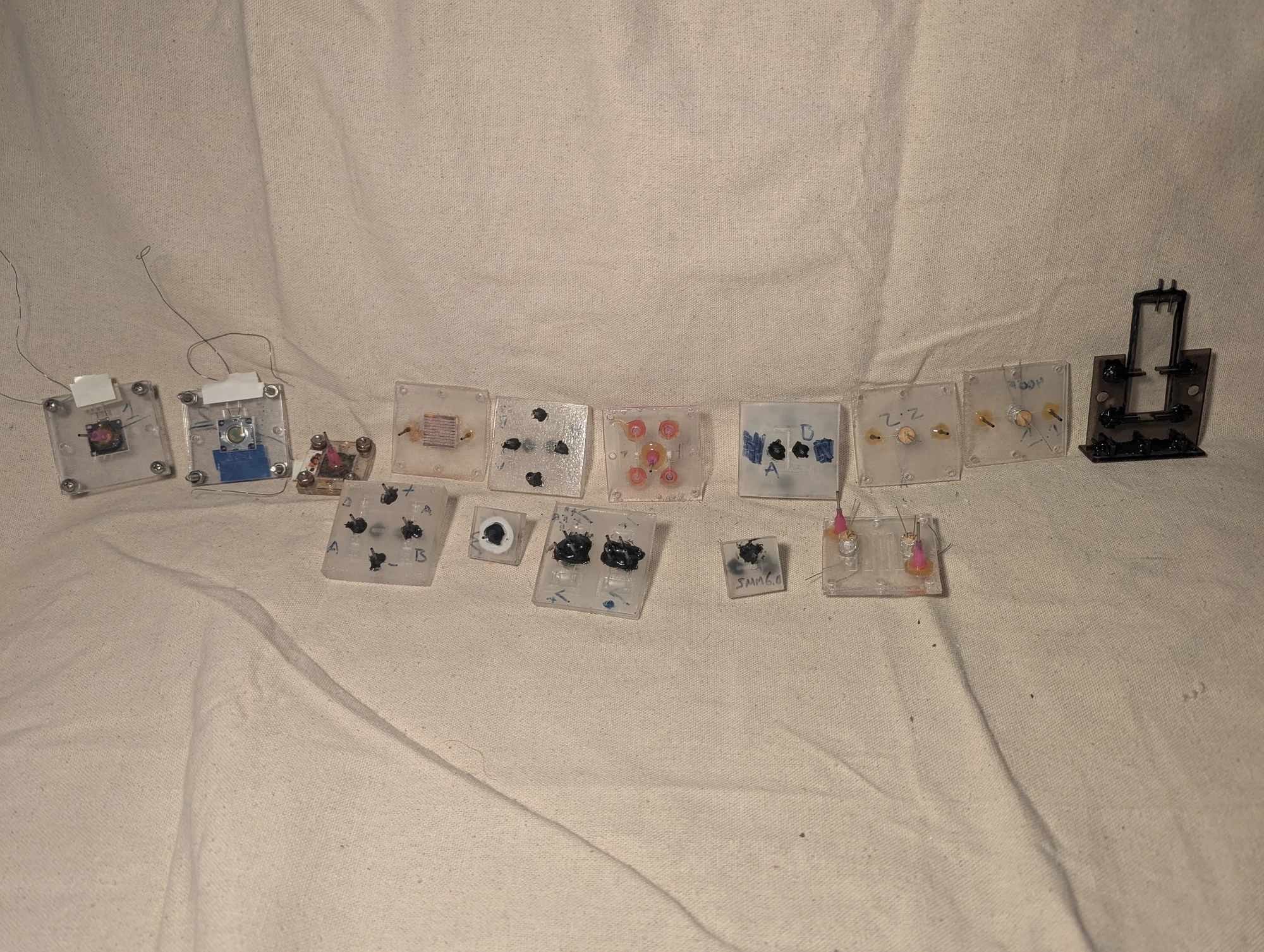 22 photosPhoto 377 ·
Small fluid channels, valves, and test chambers, including devices built from layered acrylic.
Photos 377–387, 392–397, 416, 443–444, 477–478
Explore project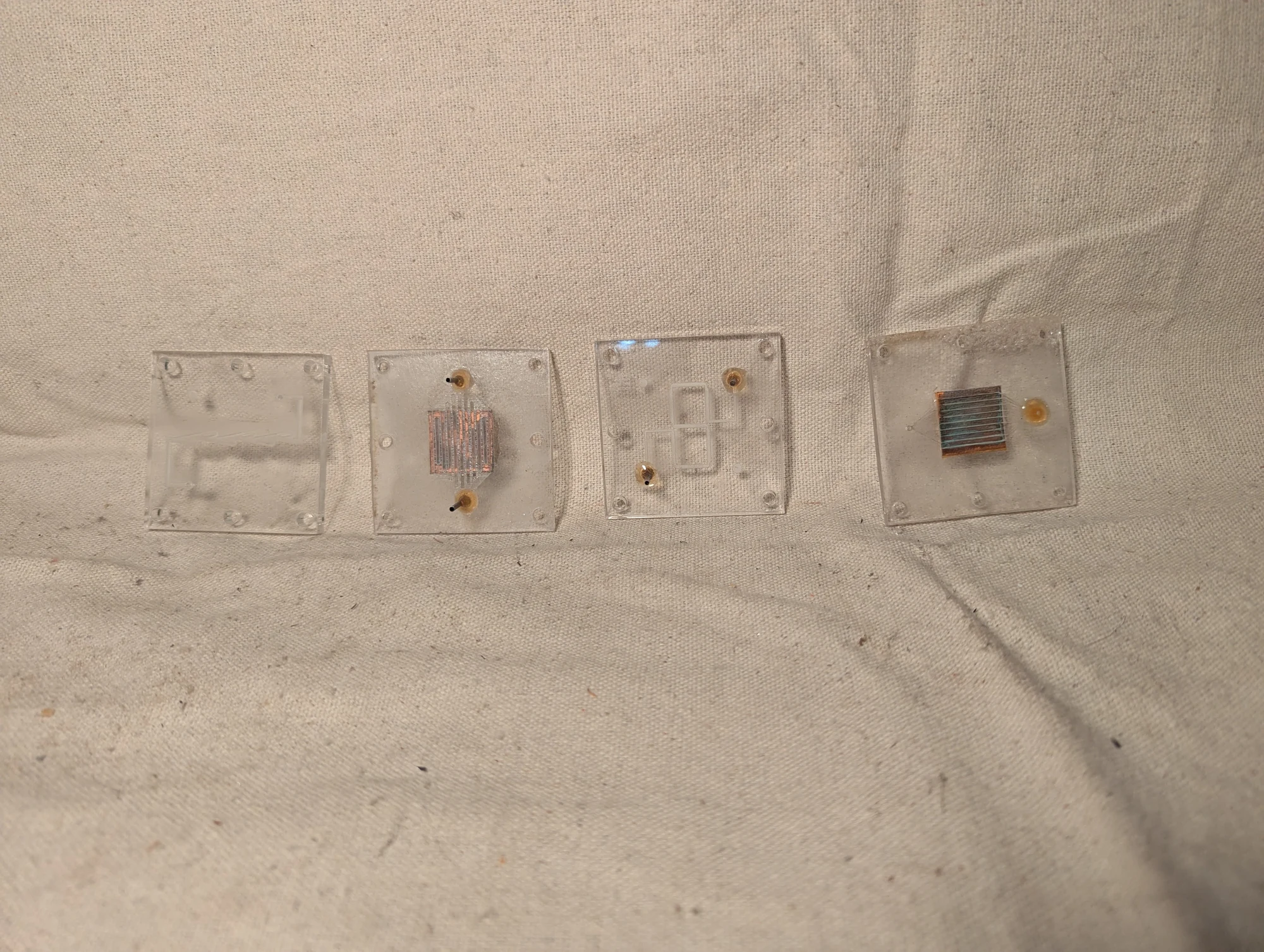 4 photosPhoto 483 ·
Experiments in making patterns of light by moving a small fluid segment through a channel.
Photos 388–389, 479, 483
Explore project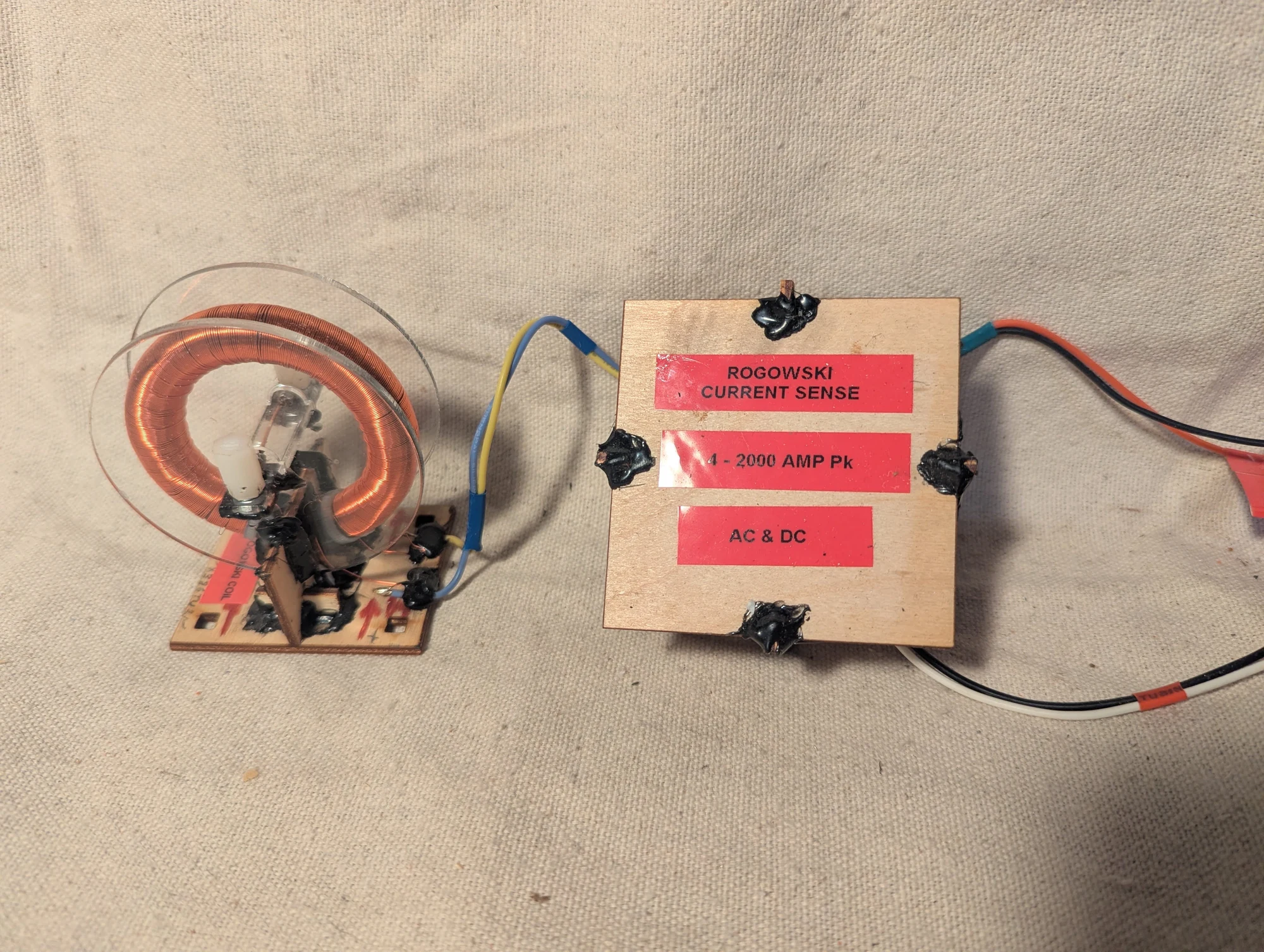 3 photosPhoto 400 ·
A homemade loop sensor and amplifier for observing current pulses.
Photos 400–402
Explore project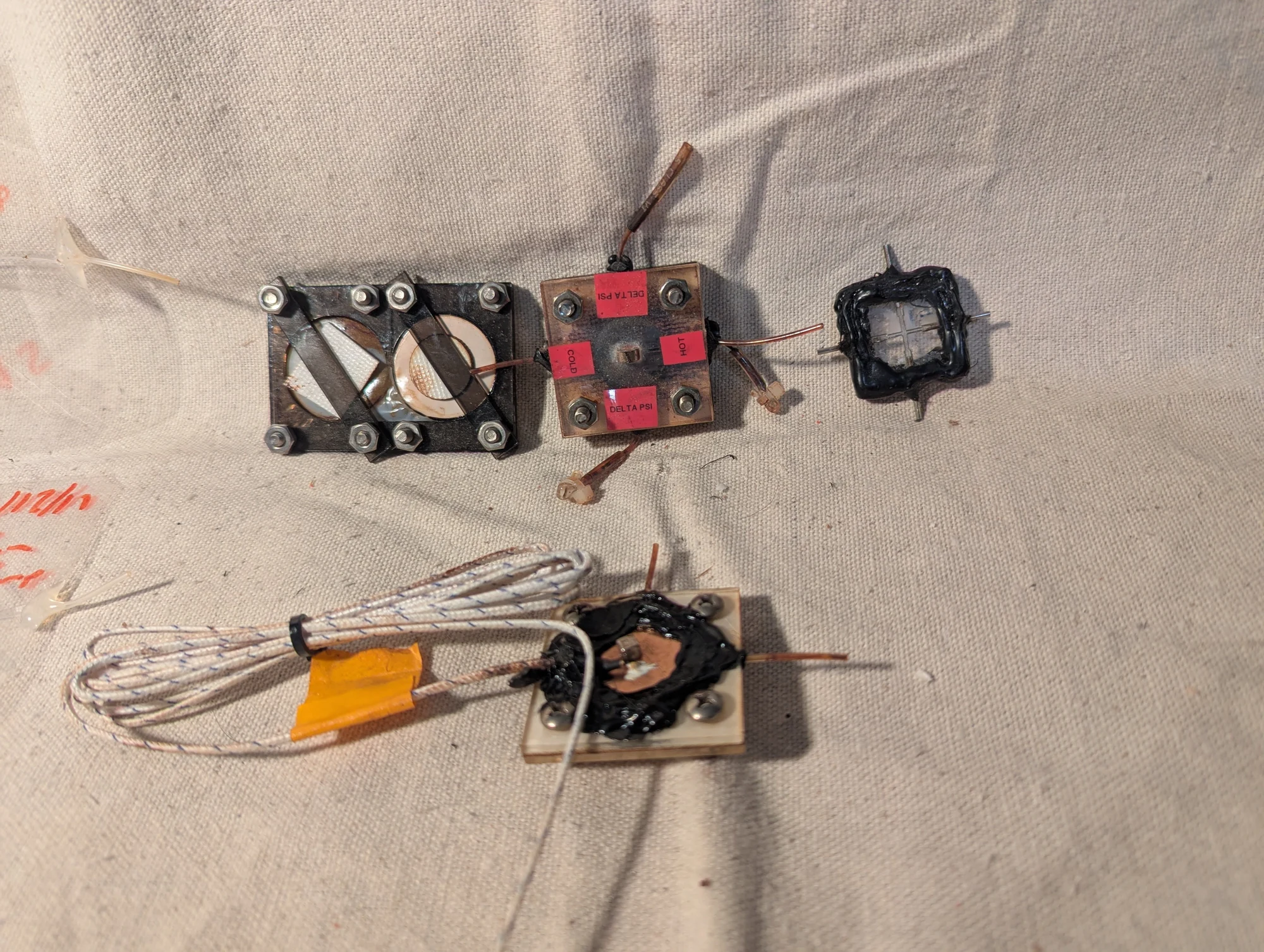 5 photosPhoto 406 ·
Electromagnets used to squeeze flexible fluid chambers and pinch thin channels closed.
Photos 406–408, 417–418
Explore project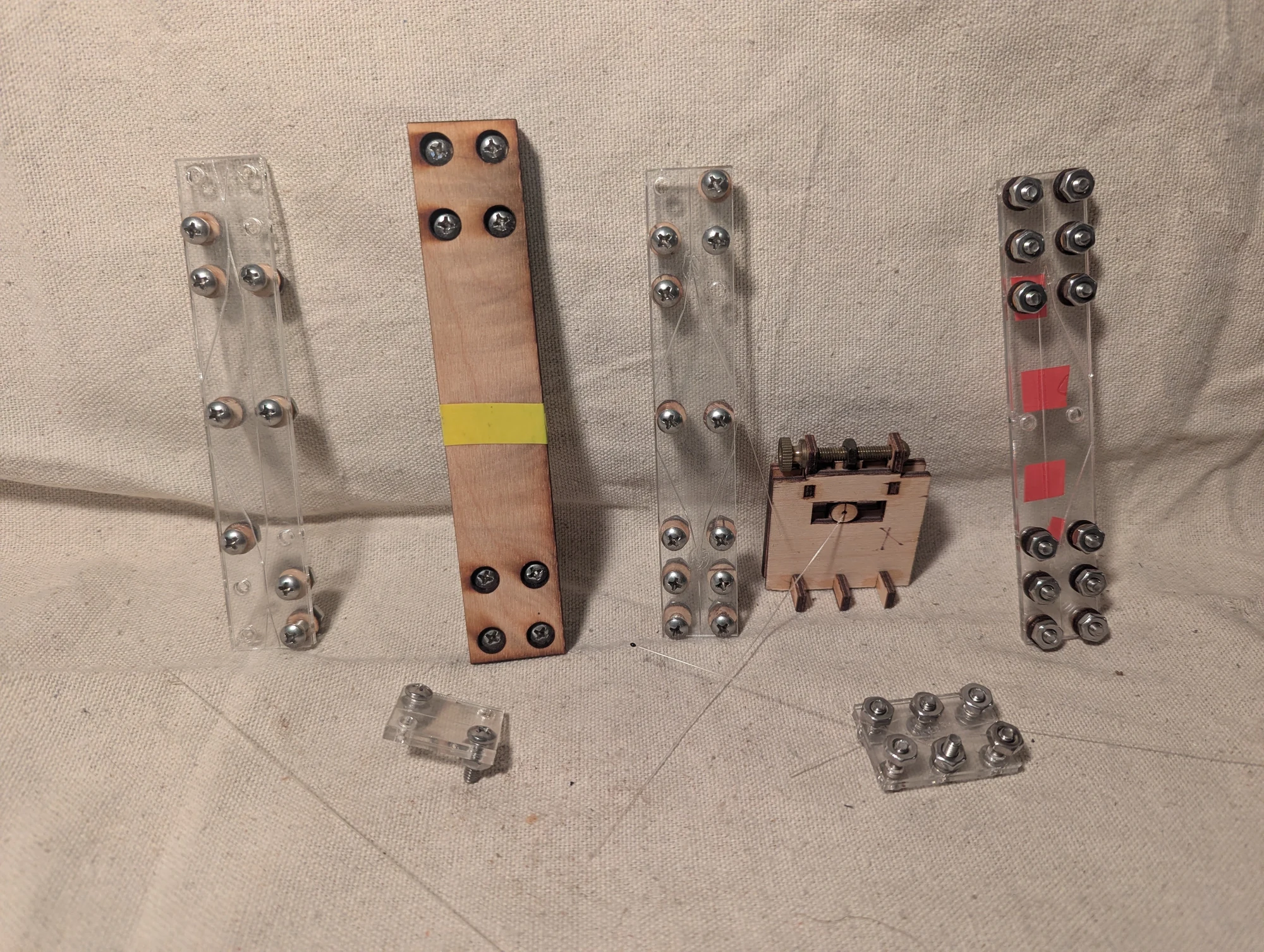 18 photosPhoto 430 ·
Experiments in sharing light between fibers, using fluorescence, and manually selecting an output wavelength.
Photos 430, 432, 434–435, 445–449, 480–481, 490–496
Explore project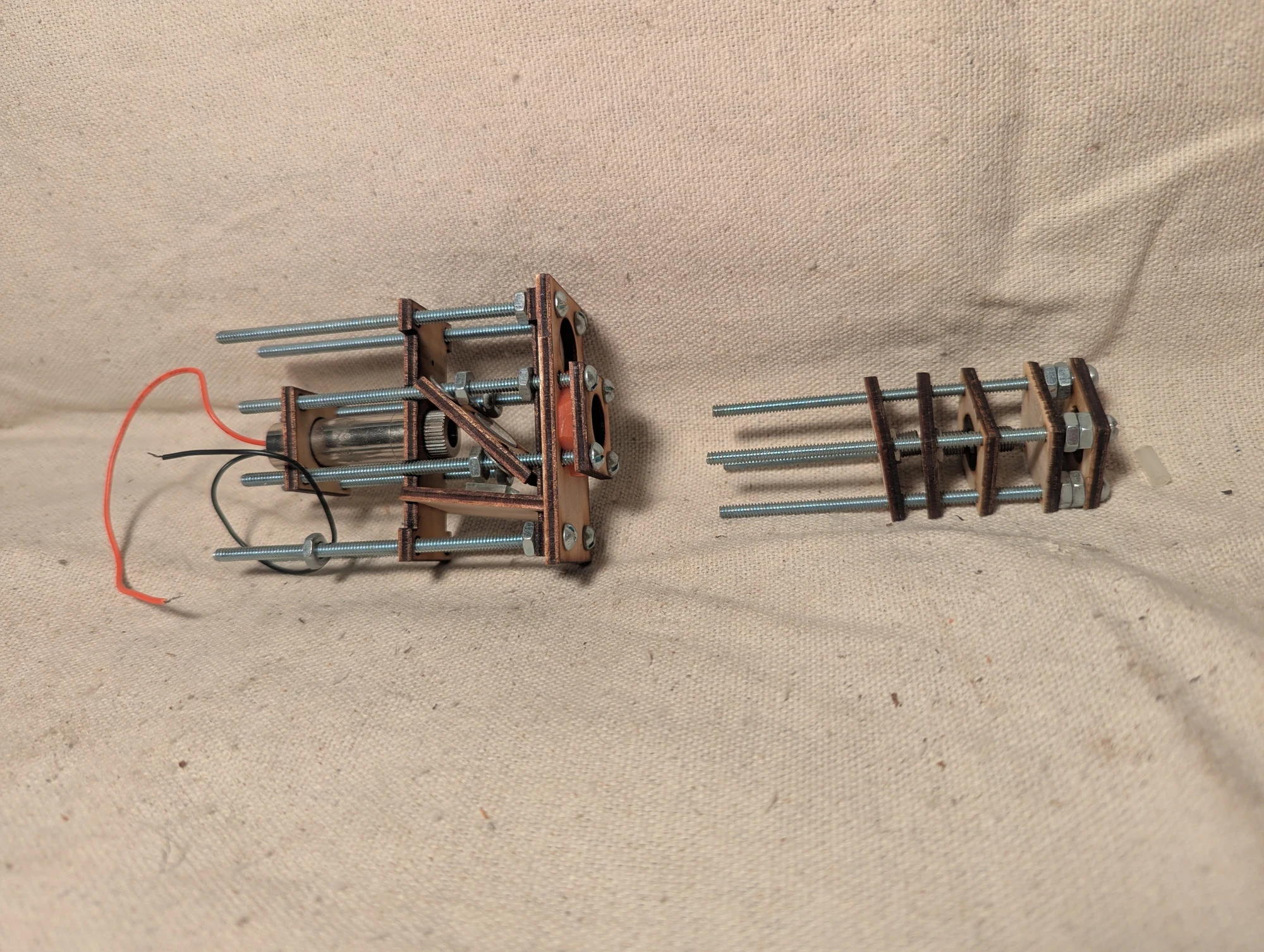 3 photosPhoto 454 ·
A small optical prototype intended to translate sound-driven mirror motion into changes in an interference pattern.
Photos 454–456
Explore project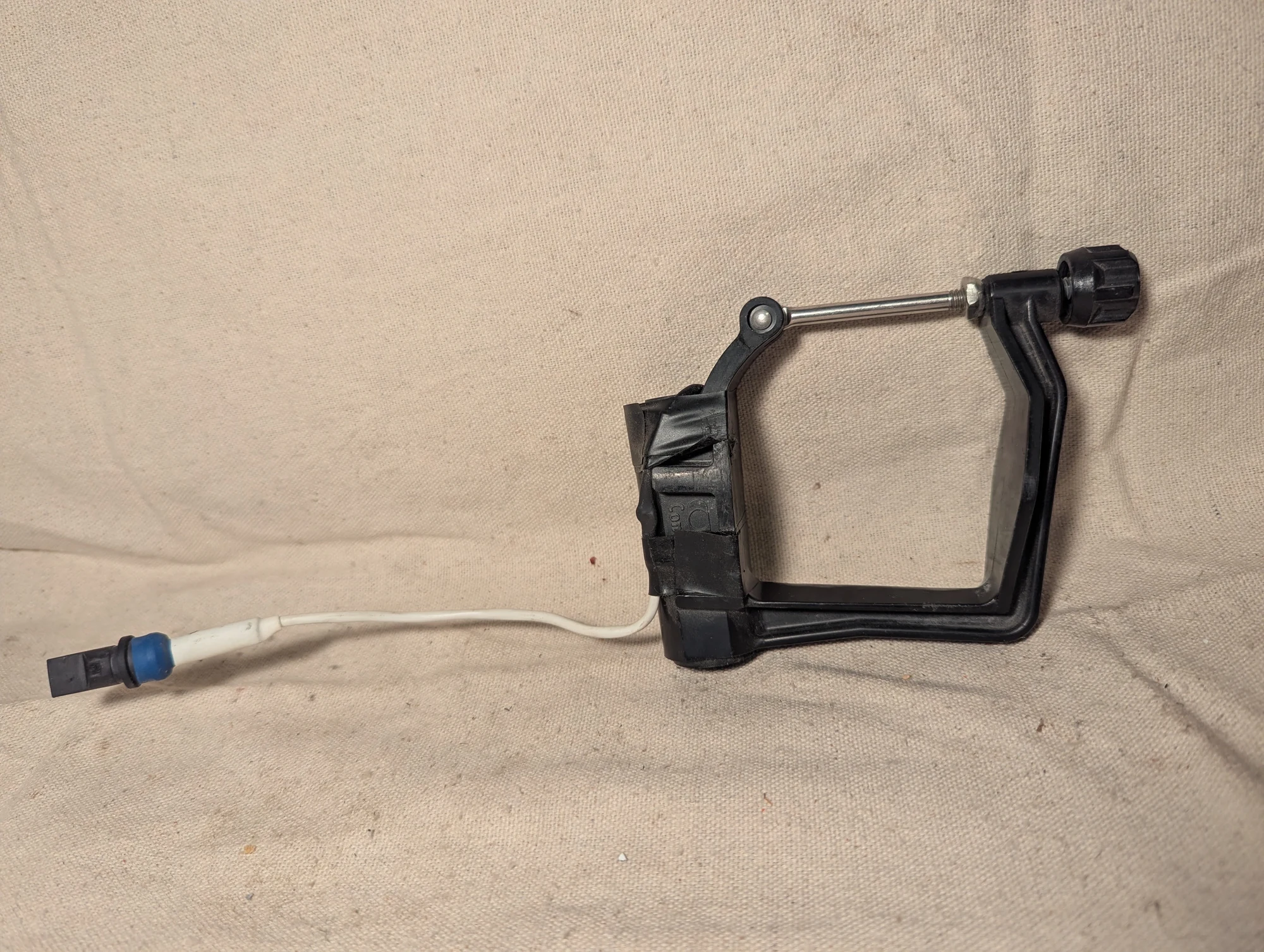 2 photosPhoto 485 ·
An oarlock experiment using a pressure-sensitive piezoelectric cable to explore stroke measurements.
Photos 485–486
Explore projectNo matching projects. Try another project name or photo number.